


Wood Burning Stove vs Multi Fuel Stove: Which Is Right for Your Home?
29th Jun 2026
Wood Burning Stove vs Multi Fuel Stove: Which Is Right for Your Home?
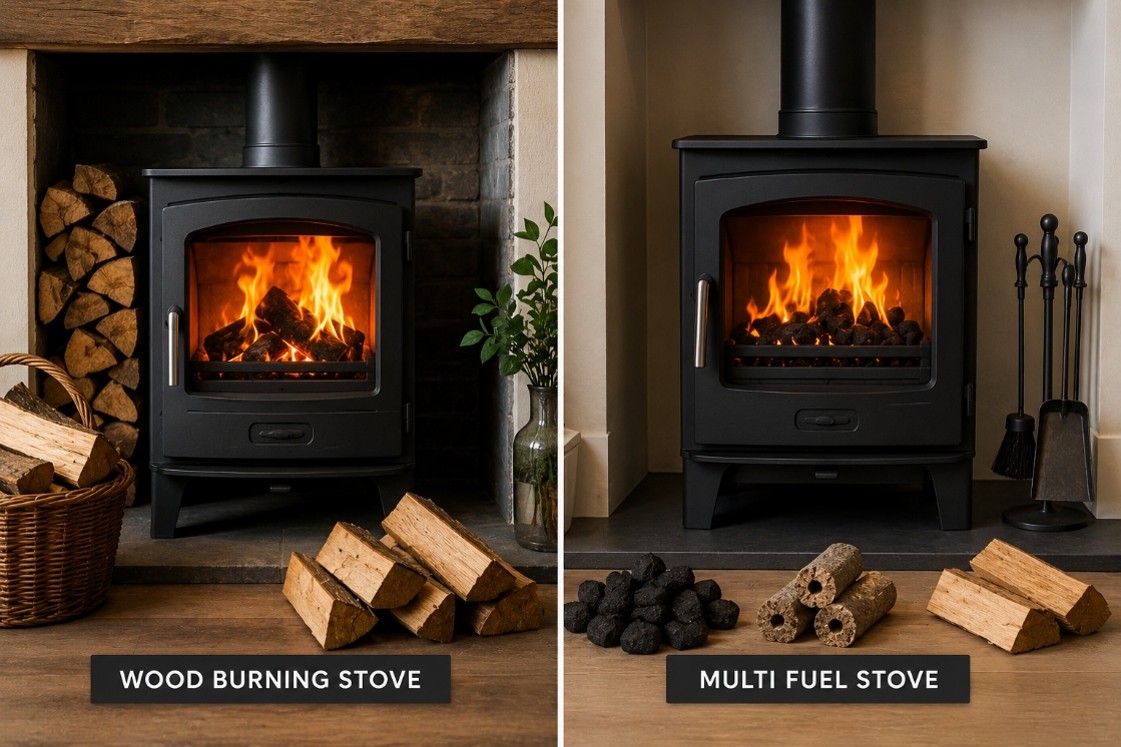
If you are considering a new stove for your home, one of the first decisions you will face is whether to choose a wood burning stove or a multi fuel stove.
At first glance, the two appliances often look very similar, but there are important differences that can affect performance, running costs, convenience and how you intend to use your stove.
For many homeowners, the choice ultimately comes down to fuel preferences and lifestyle. Both options can provide excellent heat output, create a welcoming focal point within the home and offer impressive efficiency when correctly installed and operated.
In this guide, we explain the differences between wood burning and multi fuel stoves to help you decide which option is best suited to your property and heating requirements.
What Is a Wood Burning Stove?
As the name suggests, a wood burning stove is specifically designed to burn seasoned or kiln-dried logs.
These appliances are engineered to maximise the efficiency of wood combustion by supplying air in the correct way to create a clean, efficient burn.
Modern wood burning stoves are highly advanced compared to older models and many now comply with Ecodesign standards, helping to reduce emissions while improving performance.
Wood burning stoves are particularly popular among homeowners who enjoy the traditional experience of heating their home with logs.
What Is a Multi Fuel Stove?
A multi fuel stove is designed to burn a wider range of approved fuels.
Depending on the model, this may include:
- Seasoned logs
- Kiln-dried logs
- Smokeless fuels
- Manufactured briquettes
- Certain approved solid fuels
The key difference lies in the stove's internal design, particularly the grate system and airflow arrangements.
Multi fuel stoves provide greater flexibility for homeowners who may wish to switch between different fuel types depending on availability, cost or personal preference.
Understanding the Main Difference
The most significant distinction between the two stove types is how fuel is burned.
Wood burns most efficiently on a bed of ash, with air supplied primarily from above.
Multi fuel appliances typically incorporate a raised grate system that allows air to circulate beneath the fuel, which is important when burning smokeless fuels.
This difference may seem minor, but it plays an important role in ensuring efficient combustion and optimum performance.
The Benefits of a Wood Burning Stove
Wood burning stoves remain one of the most popular choices for UK homeowners.
Advantages include:
- Excellent efficiency when burning quality logs
- Traditional heating experience
- Attractive flame patterns
- Simpler operation
- Reduced ash production
- Wide choice of stove styles
For many people, there is something particularly appealing about the sight and sound of burning logs on a cold winter evening.
If you have access to a reliable supply of seasoned or kiln-dried wood, a dedicated wood burning stove can be an excellent option.
The Benefits of a Multi Fuel Stove
Multi fuel stoves offer greater flexibility.
Advantages include:
- Ability to burn different fuel types
- Greater fuel choice
- Potential flexibility during fuel shortages
- Suitable for homeowners who prefer smokeless fuels
- Often capable of longer burn times with certain fuels
This versatility makes multi fuel stoves particularly attractive to homeowners who want more control over how they heat their property.
Which Stove Is More Efficient?
Both wood burning and multi fuel stoves can achieve high efficiency levels when used correctly.
The efficiency of any stove depends on factors such as:
- Appliance quality
- Fuel quality
- Installation standards
- Maintenance
- Correct operation
Modern Ecodesign stoves can achieve impressive efficiency ratings regardless of whether they are wood burning or multi fuel models.
In many cases, the difference in real-world efficiency is less important than selecting the right appliance for your lifestyle and heating needs.
Fuel Availability Considerations
One factor worth considering is how easily you can obtain your preferred fuel.
Homeowners who have access to a reliable supply of logs may naturally favour a wood burning stove.
Others may prefer the flexibility of being able to purchase approved smokeless fuels when required.
Before making a decision, it is worth thinking about:
- Local fuel suppliers
- Storage space available
- Fuel costs
- Convenience
- Long-term availability
Your preferred fuel source can often influence which appliance makes the most sense.
Maintenance and Cleaning
All stoves require regular maintenance to ensure safe and efficient operation.
This includes:
- Removing ash
- Cleaning glass
- Inspecting seals
- Arranging chimney sweeping
- Servicing where required
Wood burning stoves often produce less ash than appliances burning certain smokeless fuels.
However, maintenance requirements vary depending on usage and the fuel being burned.
Regardless of the appliance chosen, regular maintenance helps maximise performance and extend the lifespan of the stove.
Which Option Is Better for Period Properties?
Both wood burning and multi fuel stoves can work exceptionally well in period homes.
The right choice often depends on:
- Existing fireplace openings
- Property size
- Heating requirements
- Fuel preferences
- Interior design style
Many traditional and contemporary stove designs are available in both wood burning and multi fuel versions, making it possible to find an appliance that complements the character of the property.
Are Both Suitable for Modern Homes?
Absolutely. Modern homes increasingly incorporate stoves as both a practical heat source and a design feature.
Many homeowners choose stoves to:
- Create a focal point
- Add warmth and atmosphere
- Reduce reliance on central heating
- Improve the appearance of living spaces
Contemporary stove designs can work particularly well in modern extensions, open-plan living areas and newly renovated properties.
The Importance of Professional Advice
While understanding the differences between wood burning and multi fuel stoves is helpful, every home is unique.
Factors such as:
- Room size
- Property construction
- Chimney suitability
- Ventilation requirements
- Heating expectations
all influence which appliance may be most appropriate.
Visiting a specialist fireplace and stove showroom allows homeowners to compare different models, discuss their requirements and receive tailored recommendations.
Which Stove Is Right for You?
There is no universal answer when comparing wood burning and multi fuel stoves. Both offer excellent performance and can provide years of reliable heating when properly installed and maintained.
A wood burning stove may be ideal if you intend to burn logs exclusively and enjoy the traditional appeal of a dedicated wood-fuel appliance. A multi fuel stove may be the better choice if flexibility and fuel choice are important considerations.
At Manor House Fireplaces & Stoves, we stock a wide range of wood burning and multi fuel stoves from leading manufacturers.
Our experienced team can help you compare options, understand the benefits of each appliance and choose the ideal solution for your home.
Visit our showroom or contact Manor House Fireplaces & Stoves today for expert advice on selecting the right stove for your property.